
Meloni Voice Trademark Proposal Raises Questions Over Deepfake Protection
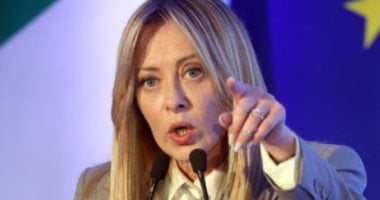
The prospect of registering Giorgia Meloni’s voice as a trademark to protect it from deepfakes has come under legal scrutiny, highlighting questions about how intellectual property law might address AI-generated impersonation.
A legislative affairs report examined the legality of seeking such protection for the Italian prime minister’s voice. The available summary does not establish whether Meloni has filed a trademark application or whether any authority has ruled on the matter.
The central issue is whether trademark registration could provide an effective legal basis for challenging synthetic reproductions of a person’s voice. Trademark protection generally concerns signs that distinguish goods or services, rather than granting blanket control over a person’s identity.
That distinction makes the scope of any proposed registration important. Protecting a sound as a commercial identifier is a different legal question from preventing its use in fabricated recordings.
The summary provides no legal findings or details of the proposed registration, leaving both its eligibility and its potential effectiveness against deepfakes unresolved.
This is an automated summary from the available headline and excerpt, not the full story or a claim of human review.
Latest Politics — refreshed every 30 minutes
News refreshes automatically every 30 minutes. Every headline opens inside Trend Masr.