
Agincourt: How Henry V Defeated a Larger French Army
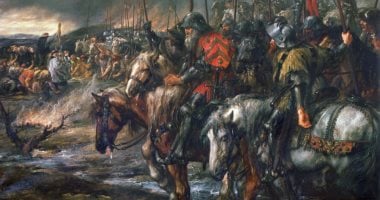
On October 25, 1415, England’s King Henry V won a major victory over a numerically superior French army at Agincourt, in one of the most famous battles of the Hundred Years’ War.
The English army entered the confrontation weakened by campaigning, illness and a difficult march through France. Yet the battlefield offered Henry a crucial advantage: a narrow stretch of ground between wooded areas limited the French army’s ability to exploit its greater numbers.
English longbowmen helped shape the fighting. Positioned behind protective wooden stakes, they fired on the advancing French, disrupting their movement as rain-soaked ground made the approach more exhausting.
As French men-at-arms pushed forward, the confined terrain and pressure from troops behind them left little room to manoeuvre. Mud, crowding and fatigue undermined their attack, allowing English soldiers and archers to engage them at close quarters.
Agincourt demonstrated how terrain, deployment and battlefield conditions could outweigh numerical strength. The victory strengthened Henry’s prestige and became an enduring symbol of English military success, although it did not bring the long conflict with France to an end.
This is an automated summary from the available headline and excerpt, not the full story or a claim of human review.
Latest Arts & Culture — refreshed every 30 minutes
News refreshes automatically every 30 minutes. Every headline opens inside Trend Masr.