
Is Translation Into Widely Spoken Languages Essential to Winning the Nobel Prize?
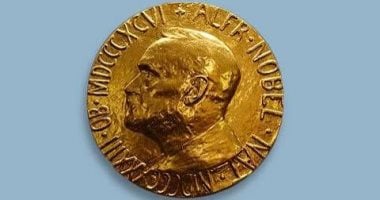
Whether literary works must be translated into widely spoken languages to win the Nobel Prize in Literature raises a broader question about how writing reaches readers beyond its original language.
Alfred Nobel, the prize’s founder, stipulated in his will that the award should go to the person who produces the most outstanding work of an idealistic character. That wording leaves considerable room for interpretation.
The stipulation concerns the character and distinction of the work, rather than the language in which it is written. It does not, in itself, make translation into a widely spoken language a condition for recognition.
Translation nevertheless provides a way for literature to cross linguistic boundaries, allowing readers unfamiliar with the original language to encounter a writer’s work. Its practical role in widening access is distinct from a formal requirement for winning.
The question therefore turns on the difference between eligibility and visibility. Nobel’s broad wording leaves open how literary achievement should be assessed, while translation shapes how widely that achievement can be read.
This is an automated summary from the available headline and excerpt, not the full story or a claim of human review.
Latest Arts & Culture — refreshed every 30 minutes
News refreshes automatically every 30 minutes. Every headline opens inside Trend Masr.