
Fourth Council of Constantinople: A Turning Point in the East-West Church Divide?
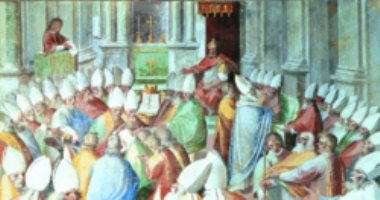
Today marks the anniversary of the Fourth Council of Constantinople, convened in the city in 869 to examine the case of Photius, the patriarch of Constantinople, amid divisions within the Church.
The dispute centred on Photius’s position as patriarch and the legitimacy of his appointment. It also raised a broader question that would continue to strain relations between Eastern and Western Christianity: who held the authority to settle such conflicts?
The council ruled against Photius. Its proceedings became part of a wider struggle over ecclesiastical authority, particularly the relationship between the papacy in Rome and the patriarchate of Constantinople.
Its legacy was not accepted uniformly. The Catholic Church recognises the gathering as an ecumenical council, while the Eastern Orthodox Church does not accord it the same status.
Although the council deepened tensions, it did not by itself cause the eventual rupture between Eastern and Western Christianity. Rather, it marked a significant episode in a longer history of disputes over leadership, doctrine and church governance.
This is an automated summary from the available headline and excerpt, not the full story or a claim of human review.
Latest Arts & Culture — refreshed every 30 minutes
News refreshes automatically every 30 minutes. Every headline opens inside Trend Masr.