
Why Is Ramesses II Linked to the Pharaoh of the Exodus?
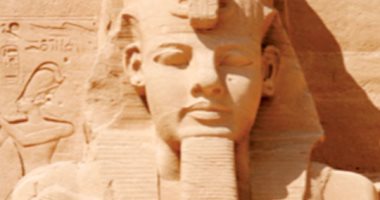
Remarks by El-Damaty have renewed attention to a long-debated question in historical and religious studies: who was the pharaoh associated with the Israelites’ departure from Egypt?
Ramesses II is frequently proposed as a candidate, partly because the biblical account names a city called Raamses among the places where the Israelites were made to work. That name is commonly linked to Pi-Ramesses, the royal capital associated with his reign.
The scale of construction under Ramesses II also provides a setting that supporters of the theory see as consistent with the account of forced labour. Such parallels, however, do not establish that he was the ruler described in the Exodus narrative.
Chronology remains a major obstacle. Different interpretations of biblical passages and archaeological evidence produce different proposed dates for the Exodus, and not all place it during Ramesses II’s reign.
The biblical account does not name the pharaoh of the Exodus, and no widely accepted contemporary Egyptian evidence identifies him. Ramesses II therefore remains a proposed candidate rather than an established answer to one of the most contested questions connecting ancient Egyptian history and religious tradition.
This is an automated summary from the available headline and excerpt, not the full story or a claim of human review.
Latest Arts & Culture — refreshed every 30 minutes
News refreshes automatically every 30 minutes. Every headline opens inside Trend Masr.